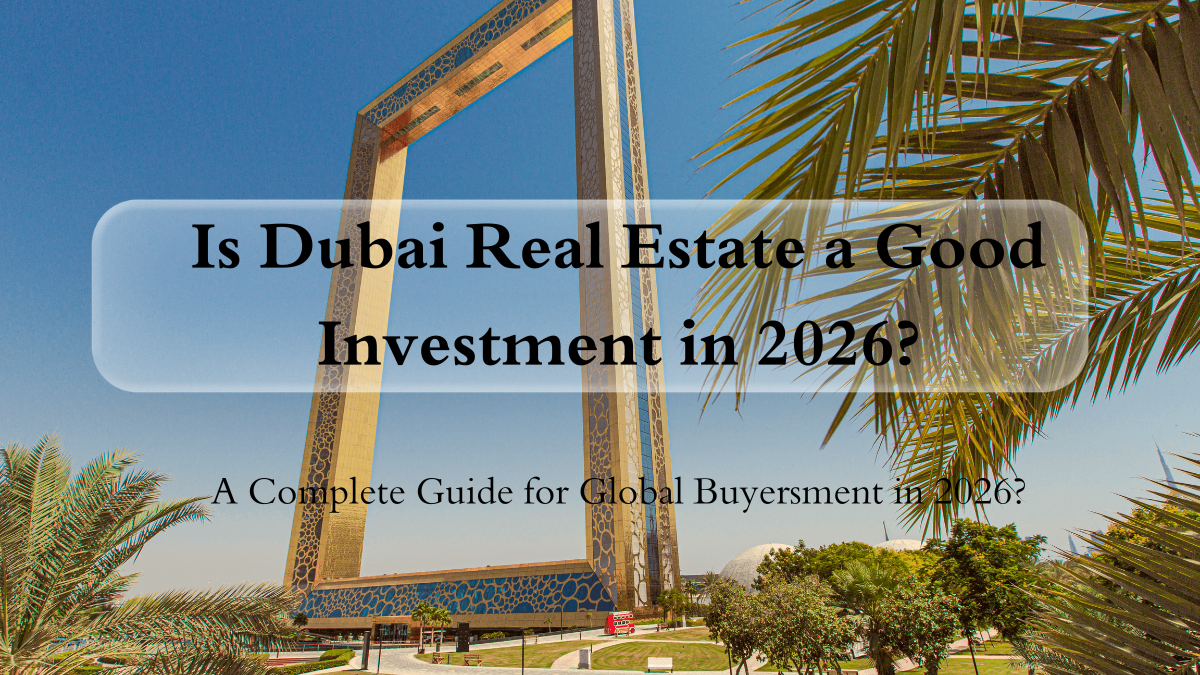
The real estate industry is surrounded by misconceptions that prevent many people from making informed decisions—whether they’re considering a career as an agent, planning their first property investment, or evaluating market trends. From glamorous portrayals on television to outdated beliefs passed down through generations, these myths can lead to costly mistakes, missed opportunities, and unrealistic expectations. In this comprehensive guide, we’ll separate fact from fiction and reveal the truth about the about the real estate industry in 2025.
The Reality: One of the most persistent myths is that real estate is a fast track to wealth. While successful agents can earn substantial incomes, the truth is far more nuanced. New agents often struggle for months—or even years—to build a client base, establish credibility, and generate consistent commissions. The average starting income varies significantly, and success requires persistent hustle, networking, marketing skills, and relationship-building rather than simply showing properties and collecting checks.
In California, where the average home value exceeds $784,000, agents don’t need to close many deals to earn well—but securing those deals demands dedication, market knowledge, and excellent service. The initial phase is particularly challenging, with many agents experiencing irregular income before establishing themselves.
The Reality: This widespread misconception discourages countless potential investors from entering the market. While having significant capital certainly helps, real estate investment is increasingly accessible to middle-income earners and first-time buyers. Financial institutions offer home loans covering up to 80% of property value, with flexible repayment options that make homeownership achievable for many.
Government-backed housing programs, subsidies, and smaller property options further democratize access to real estate investment. Additionally, investors can start with more affordable properties in developing areas that offer high capital appreciation potential, rather than limiting themselves to premium locations.
The Reality: While renting offers flexibility and lower upfront costs, it doesn’t build equity or provide long-term financial benefits. When you rent, monthly payments go toward someone else’s asset. Homeownership, conversely, creates a tangible asset that typically appreciates over time.
When comparing the total cost over 10-15 years—including rising rent, lack of equity, missed tax benefits, and inflation protection—buying often proves more financially sound. Mortgage payments may be comparable to or even lower than rent in many markets, especially when factoring in tax deductions and property appreciation.
The Reality: The belief that a 20% down payment is mandatory stops many aspiring homeowners from pursuing property ownership. In reality, numerous loan programs require much lower down payments—sometimes as little as 3-5%. First-time buyer programs, government-backed loans, and various financing options make homeownership accessible with smaller initial investments.
While larger down payments reduce monthly mortgage costs and eliminate private mortgage insurance (PMI), they’re not universally required.
The Reality: While real estate has historically appreciated over the long term, the market is not immune to fluctuations. Economic downturns, regional factors, policy changes, and supply-demand dynamics all influence property values. Some markets experience stagnation or price declines, particularly during economic uncertainty or when supply exceeds demand.
The 2008 financial crisis serves as a stark reminder that real estate markets can crash when conditions align. In 2025, while foreclosure starts have increased by 41% compared to previous years, strong homeowner equity positions and limited inventory help prevent a repeat of 2008-level collapses.
The Reality: Real estate professionals vary dramatically in experience, specialization, market knowledge, communication skills, and dedication. Some agents specialize in luxury properties, while others focus on first-time buyers, commercial real estate, or specific neighborhoods. An experienced agent with deep local market knowledge, strong negotiation skills, and a proven track record delivers significantly more value than someone newly licensed.
Choosing the right agent can mean the difference between a smooth transaction and a costly mistake.
The Reality: Property tours represent only a fraction of what real estate professionals do. The majority of an agent’s time involves contracts, negotiations, market analysis, marketing, client communication, paperwork, problem-solving, and coordinating with other professionals like inspectors, appraisers, and attorneys.
Successful agents possess diverse skill sets spanning marketing, finance, technology, legal compliance, and client management.
The Reality: While under-construction properties once carried significant risks, regulatory reforms have dramatically improved buyer protection. The Real Estate Regulatory Authority (RERA) holds developers accountable for completion deadlines and provides greater transparency. Reputable developers consistently deliver projects on time, and under-construction properties often offer attractive early-bird pricing, flexible payment plans, and modern amenities.
With proper due diligence—verifying RERA registration, checking developer track records, and reviewing contracts carefully—the risks can be minimized while maximizing financial benefits.
Successful agents don’t rely solely on their brokerage for leads. Building a personal brand through social media, professional photography, digital marketing, networking events, and content creation is essential in today’s competitive market. Agents must act as their own marketing managers, consistently showcasing expertise and building online presence.
While communication matters, empathy, active listening, problem-solving, and analytical thinking often matter more than extroversion. Introverts frequently excel in real estate because they focus on meaningful client connections rather than superficial interactions. Technical proficiency, financial acumen, legal knowledge, and negotiation expertise all contribute to success.
Real estate professionals navigate numerous obstacles including market volatility, rising interest rates, supply chain disruptions, affordability concerns, regulatory complexities, and technology integration demands. Economic fluctuations, financing pressures—particularly in commercial real estate with $1.8 trillion in loans maturing through 2026—and evolving consumer expectations create an increasingly complex landscape.
| Mistake | Why It’s Harmful | How to Avoid It |
|---|---|---|
| Inadequate Market Research | Overpaying or investing in declining markets | Conduct thorough analysis of trends, demand, and infrastructure plans |
| Ignoring Legal Due Diligence | Legal disputes, fraud, property demolition | Verify RERA registration, title deeds, and encumbrance certificates |
| Poor Location Choice | Reduced property value and limited appreciation | Evaluate connectivity, amenities, safety, and future development |
| Overlooking Hidden Costs | Financial strain from taxes, maintenance, repairs | Budget 20-30% extra beyond purchase price |
| Emotional Decision-Making | Overpaying due to peer pressure or hype | Consult financial advisors and compare multiple properties objectively |
| Financial Overextension | Difficulty managing loan payments and expenses | Secure financing early with conservative planning and buffer funds |
| Underestimating Repair Costs | Unexpected expenses reducing returns | Hire professional inspectors and budget for maintenance |
| Neglecting Rental Demand | Low occupancy and poor cash flow | Research local rental markets and tenant demographics |
The global real estate sector demonstrates resilience despite elevated uncertainty, trade policy shifts, and economic volatility. While residential markets show promising growth—with home sales projected to rise 10% or more in 2025-2026—commercial real estate faces refinancing pressures as loans mature.
Dubai’s real estate market exemplifies exceptional growth, recording AED 525.87 billion in sales through early 2025, surpassing the entire previous year. India’s market is projected to grow from $332.85 billion in 2025 to $985.80 billion by 2030, with a CAGR of 24.25%.
Real estate offers legitimate opportunities for financial growth, flexibility, and meaningful work helping clients achieve major life milestones. However, success demands hard work, continuous education, technology adoption, personal branding, and resilience through market cycles.
Industries hiring the most real estate professionals in 2025 include technology (flexible workspaces), healthcare (medical facilities expansion), renewable energy (land acquisition for solar/wind farms), hospitality and tourism, industrial warehousing, and residential housing in suburban markets.
Real estate remains one of the most stable wealth-building assets when approached strategically. It offers tangible assets, rental income potential, long-term appreciation, inflation protection, and tax benefits. However, success requires thorough research, proper financial planning, legal verification, location analysis, and professional guidance.
The real estate industry offers genuine opportunities but demands realistic expectations and informed decision-making. Whether you’re considering a career as an agent or planning property investments, understanding the truth behind common myths helps you navigate the market successfully.
For Aspiring Agents: Prepare for hard work, invest in quality education and mentorship, build your personal brand early, develop diverse skills beyond sales, and maintain discipline through irregular income periods.
For Investors: Conduct comprehensive market research, verify all legal documentation through RERA and independent lawyers, evaluate location potential carefully, budget for all costs including hidden expenses, avoid emotional decisions by consulting professionals, and develop clear investment goals with exit strategies.
For Homebuyers: Explore flexible financing options rather than waiting for large down payments, compare long-term costs of renting versus buying, prioritize location and future infrastructure development, hire professional inspectors, and work with experienced agents who understand your specific needs.
The real estate industry is neither the effortless money-making machine some portray nor the exclusive domain of the wealthy. It’s a dynamic, challenging, and potentially rewarding field that rewards those who approach it with knowledge, preparation, and realistic expectations.
Ready to start your Dubai real estate journey? Contact Unique Life Real Estate today and let our expert team guide you toward smart investment decisions and your dream property.

Subscribe to our newsletter and never miss the let latest articles, blogs, and actionable info in business effectively.